
Book appointment 092 11 33 5005

Fertility conditionFor men

Zero sperm count (azoospermia): causes, tests and treatment options

Azoospermia is a condition in which no sperm are detected in the ejaculate after appropriate laboratory examination. It can be a cause of male infertility and may affect a couple’s ability to conceive naturally.

A zero sperm count result can feel worrying, but it does not automatically mean having a biological child is impossible. The options depend on the cause and on whether sperm are being produced in the testicles.

Medically reviewed by Dr. Berkheez Shabir, MBBS, MS (Obs & Gynae) · Last updated 18 November 2026

  • Two main typesa blockage, or a problem with sperm production
  • Often no symptomsmost men find out through fertility testing
  • Not always the endsperm may be retrievable in selected cases, though this cannot be guaranteed

What is azoospermia

What is azoospermia?

Azoospermia is a male reproductive condition in which sperm are absent from the semen sample examined by a laboratory. Semen analysis is usually the first test. When no sperm are seen, the clinician may recommend repeat testing and further assessment to confirm the finding and look for the cause.

At Bachan IVF, men concerned about a zero sperm count can have a medical evaluation to understand their results. Depending on the diagnosis, management may involve treating a hormonal condition, addressing a blockage, surgical sperm retrieval, or IVF with ICSI.

Not every patient needs surgery, and sperm retrieval or pregnancy cannot be guaranteed. A specialist can explain the benefits, limitations, risks and alternatives in your case.

Azoospermia

No sperm are detected in the ejaculate after appropriate testing.

Low sperm count

Sperm are present, but fewer than the laboratory reference range (oligospermia).

Two main types

Obstructive and non-obstructive azoospermia

Azoospermia is broadly divided into two types. Telling them apart matters, because the treatments can differ significantly.

FSH, LH, testosterone DNA
Type 1

Obstructive azoospermia

Sperm are made, but cannot get out

Sperm are produced in the testicles but cannot enter the ejaculate because of a blockage or a missing part of the reproductive tract.

Possible causes
  • Blockage of the epididymis or vas deferens
  • Previous infection or inflammation of reproductive structures
  • Previous surgery or injury to the reproductive tract
  • Congenital absence of the vas deferens
  • Other structural problems affecting sperm transport

Depending on where the obstruction is and your findings, treatment may involve reconstructive surgery or sperm retrieval for assisted reproduction.
FSH, LH, testosterone DNA
Type 2

Non-obstructive azoospermia

Sperm production is impaired

Sperm production in the testicles is significantly reduced. In some men it may be very limited or happen only in small areas of testicular tissue.

Possible causes
  • Genetic conditions affecting testicular function
  • Hormonal disorders that interfere with sperm production
  • Previous testicular injury or certain infections
  • Undescended testicles or other developmental conditions
  • Previous chemotherapy or radiotherapy
  • Other causes of impaired testicular function

Further evaluation may find a treatable hormonal condition or show whether surgical sperm retrieval could be considered. Sperm may not be retrievable in every case.

Causes

Causes of zero sperm count in men

The treatment approach depends on the cause. In some men more than one factor is involved; in others the cause remains uncertain despite appropriate tests.

  • Hormonal imbalances

    FSH, LH and testosterone help regulate sperm production. Some hormonal disorders interfere with these signals. A specialist may recommend targeted blood tests and treatment for a specific hormonal problem.

  • Blockage in the reproductive tract

    Sperm travel from the testicles through the epididymis and vas deferens. A blockage anywhere along this path can stop sperm reaching the semen, even when production is normal.

  • Genetic conditions

    Some genetic conditions affect the testicles or sperm transport. Tests may include chromosome analysis or Y-chromosome microdeletion testing, with genetic counselling about treatment and possible inherited risks.

  • Undescended testicles

    Testicles that did not move into the scrotum before birth can affect testicular development and later sperm production, particularly when treatment was delayed.

  • Testicular injury or previous treatment

    Injury, some infections, chemotherapy, radiotherapy and certain treatments can affect sperm production. Share any cancer treatment or surgery records with your specialist.

  • Infections and inflammation

    Some infections can affect the reproductive tract or cause scarring and blockage. Treating an infection does not necessarily restore sperm production if permanent damage has occurred.

  • Varicocele and testicular function

    Enlarged veins around the testicle may be linked to impaired sperm production in some men, but varicocele is not the cause of every case of azoospermia.

  • Medicines and hormone products

    Some medicines and hormone products can affect sperm production, especially anabolic steroids and testosterone taken from outside. Do not stop prescribed medicines yourself; ask your doctor about alternatives.

  • Congenital or developmental conditions

    Some men are born with differences in the reproductive tract, including absence of one or both vas deferens, which may cause obstructive azoospermia.

  • Unexplained azoospermia

    Sometimes no clear cause is found. The specialist can explain which further tests may help and which options remain reasonable for your situation.

Symptoms

Symptoms of azoospermia

Possible signs or associated symptoms may include:

  • Difficulty achieving a pregnancy despite regular, unprotected intercourse

  • Reduced sexual desire or changes in sexual function

  • Testicular pain, swelling or discomfort

  • Testicles that appear smaller than expected

  • Symptoms of a hormonal imbalance

  • A history of undescended testicles, testicular injury or reproductive surgery

  • Often no symptoms. Many men find out only through fertility testing. These symptoms do not confirm azoospermia and their absence does not rule it out; a semen analysis and medical evaluation are needed.

Diagnosis

Diagnosis of zero sperm count

A detailed evaluation helps tell obstructive from non-obstructive azoospermia, which guides the treatment options.

  1. 1

    Semen analysis and repeat testing

    Semen analysis shows whether sperm are present in the ejaculate. When none are seen, the laboratory may examine a centrifuged (spun-down) sample to look for sperm not visible on routine examination.

    A repeat test may be advised to confirm the result and allow for variation between samples. Semen volume and other findings are also reviewed.

    About semen analysis
  2. 2

    Medical history and physical examination

    The specialist may review previous illnesses, infections, surgery, testicular injury, medicines, hormone use and reproductive history. An examination of the testicles, epididymis and vas deferens can suggest impaired production or a blockage.

  3. 3

    Hormone tests

    Blood tests may include FSH and testosterone, with LH and other hormones when indicated. They help assess testicular function and identify selected hormonal causes. Results are read with the examination and semen findings; no single blood test explains every cause.

  4. 4

    Genetic testing

    Genetic tests may be recommended when findings suggest a genetic cause or significantly impaired production:

    • Karyotype: examines the number and structure of chromosomes.
    • Y-chromosome microdeletion: looks for specific changes linked to impaired sperm production.
    • CFTR testing: may be considered with congenital absence of the vas deferens or selected obstructive cases.

    Genetic counselling can explain results and whether testing the female partner is appropriate.

  5. 5

    Ultrasound and other imaging

    Imaging is not needed for everyone. Targeted ultrasound or other tests may be advised when the examination or semen findings suggest a structural problem or obstruction; the choice depends on the suspected cause.

  6. 6

    Evaluation before sperm retrieval

    If retrieval is being considered, the specialist reviews the diagnosis, hormonal and genetic findings, previous treatment and surgical risks.

    In non-obstructive azoospermia, a diagnostic testicular biopsy is not routinely needed just to tell obstructive from non-obstructive causes. Any procedure is decided individually.

Treatment options

Treatment options for azoospermia at Bachan IVF

Treatment depends on whether the problem is with sperm production, sperm transport or a hormonal condition. The aim is to find options that are medically appropriate for you.

Treating the causeHormones or a blockage
  • Treatment of hormonal azoospermia

    When a specific hormonal cause is found, specialist-directed medicine may help restore or improve reproductive function in selected patients. It may take several months, and semen tests are used to check the response.

    Hormonal treatment does not work for every type of azoospermia. Testosterone replacement should not be used as a fertility treatment, because testosterone from outside can suppress sperm production.

  • Surgery for obstructive azoospermia

    When production is preserved but a blockage stops sperm entering the semen, reconstructive surgery may be an option for selected patients, depending on where and why the obstruction occurs, medical history and the couple’s plans.

    Sperm retrieval with IVF and ICSI may be discussed as an alternative, weighing the benefits and limitations of each.

Surgical sperm retrievalFor selected patients
  • PESA: from the epididymis

    Sperm are collected from the epididymis with a needle. It may be considered in selected cases of obstructive azoospermia, and retrieved sperm may be used for ICSI if suitable. It is not appropriate when the problem is impaired production rather than blockage.

    About PESA and TESA
  • TESA: from testicular tissue

    Sperm are collected from testicular tissue with a needle, in selected cases depending on the cause and findings. Whether enough suitable sperm can be retrieved cannot be guaranteed in advance.

  • TESE and micro-TESE

    TESE obtains testicular tissue to look for sperm. Micro-TESE uses an operating microscope to help find areas of tissue that may contain sperm, and may be considered for selected men with non-obstructive azoospermia.

    It needs specialist surgical assessment and carries risks, including possible changes in testosterone production. Retrieval is not successful in every case.

When suitable sperm are available

IVF with ICSI for azoospermia

When suitable sperm are obtained through ejaculation or retrieval, IVF with ICSI may be considered. The process generally involves:

  1. 1Assessing the fertility of both partners
  2. 2Planning ovarian stimulation and egg collection
  3. 3Retrieving sperm, or using suitable frozen sperm
  4. 4Injecting a selected sperm into each egg
  5. 5Monitoring fertilisation and embryo development
  6. 6Considering embryo transfer as planned

ICSI can help with certain sperm-related fertilisation difficulties, but it does not guarantee fertilisation, embryo development, implantation or pregnancy. About ICSI

What if sperm cannot be retrieved?

In some cases of non-obstructive azoospermia, sperm may not be found even after an appropriate retrieval procedure. Your specialist should explain this possibility before surgery and discuss alternatives based on your preferences, circumstances and applicable law. A clear conversation about possible outcomes helps you decide without unrealistic expectations.

At a glance

Obstructive vs non-obstructive azoospermia

General information only. Your type of azoospermia and the right treatment are decided through an individual evaluation.

FeatureObstructiveNon-obstructive
Main problemSperm transport is blocked or a duct is absentSperm production is impaired
Sperm productionMay be preservedReduced or absent in the affected tissue
Common investigationsExamination, semen assessment, and selected imaging or genetic testsHormone testing, examination, and selected genetic tests
Possible treatmentReconstructive surgery or sperm retrievalTreatment of a specific hormonal cause or consideration of surgical sperm retrieval
IVF with ICSIMay be considered if suitable sperm are availableMay be considered if suitable sperm can be retrieved
Expected outcomeDepends on the obstruction and other fertility factorsDepends on the cause and whether suitable sperm can be obtained

Azoospermia and pregnancy

Is pregnancy possible with azoospermia?

It may be possible in selected cases, if suitable sperm can be obtained.

Some men with obstructive azoospermia may have sperm available for retrieval. In selected cases of non-obstructive azoospermia, sperm may also be found through surgery, though this cannot be predicted for every patient. If no suitable sperm are available, other options may be discussed in line with applicable law and your preferences. No procedure can guarantee pregnancy or a live birth.

Can zero sperm count be treated naturally?

Healthy habits may support reproductive health and some modifiable risk factors:

  • A balanced diet
  • Regular physical activity
  • A healthy weight
  • No tobacco
  • No anabolic steroids
  • Adequate sleep

Lifestyle changes cannot correct genetic conditions, structural blockages or severe testicular problems. Seek a medical assessment rather than relying on home remedies or unproven supplements.

Timing

How long does azoospermia treatment take?

It depends on the cause and the treatment chosen. Your specialist can explain a likely timeline after reviewing your results. Do not delay evaluation once a fertility concern is known.

  1. Diagnosis

    Repeat semen analysis and further tests may be needed before planning treatment.

  2. Hormonal treatment

    Where appropriate, several months may be needed to see changes in sperm production.

  3. Surgical treatment

    Timing depends on the procedure, recovery and the couple’s plan.

  4. Retrieval with IVF and ICSI

    Depends on the surgical plan, egg collection, laboratory findings and transfer strategy.

His assessmentCause and type of azoospermia, hormones, genetics
Her assessmentAge, ovarian reserve, ovulation, reproductive history
A shared decisionReconstructive surgery, sperm retrieval, IVF with ICSI or other options

Why evaluate both partners? Azoospermia is a male condition, but decisions about pregnancy involve both partners. A combined evaluation helps compare options, and the final plan should reflect the findings and your informed preferences.

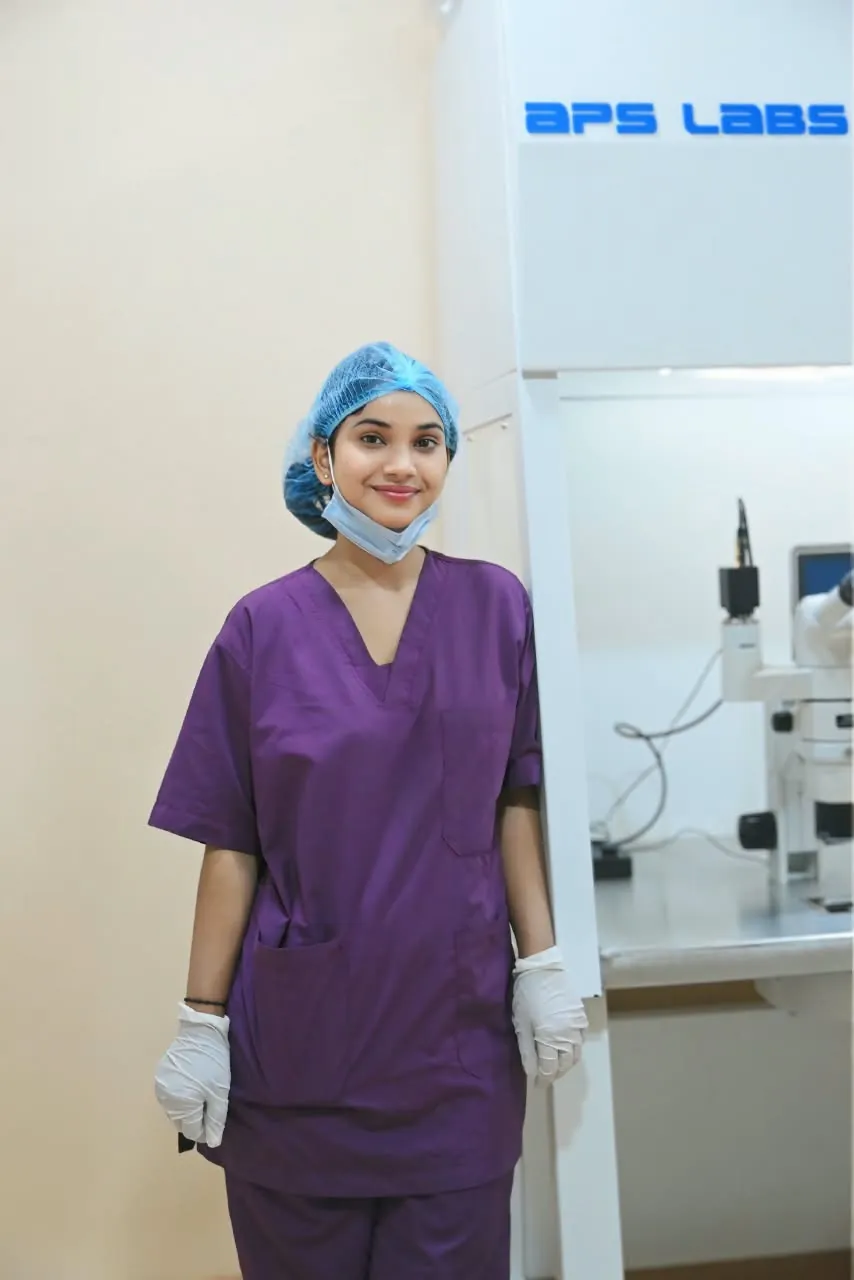
The embryology laboratory at Bachan IVF where ICSI is performed

At Bachan IVF

Azoospermia evaluation at Bachan IVF

Men with a report showing zero sperm count can have an evaluation to understand the diagnosis and next steps. Not every patient needs every test or procedure. The assessment may involve:

  1. 1Reviewing semen reports and deciding whether repeat testing is needed
  2. 2Evaluating medical and reproductive history
  3. 3Assessing hormone levels and testicular function when indicated
  4. 4Considering genetic testing where appropriate
  5. 5Investigating a possible reproductive tract blockage
  6. 6Discussing the suitability, risks and limits of sperm retrieval
  7. 7Explaining IVF with ICSI when suitable sperm are available
  8. 8Considering the female partner’s fertility assessment in planning

FAQs

Frequently asked questions about zero sperm count (azoospermia)

Something else? Call or WhatsApp +91 92 11 33 5005.

What does zero sperm count mean?

Zero sperm count, or azoospermia, means sperm are not detected in the ejaculate after appropriate laboratory examination. Further testing is needed to determine whether the cause is a blockage, impaired sperm production, or another condition.

Can zero sperm count be treated?

Treatment depends on the cause. Certain hormonal conditions may respond to medication, some obstructions may be treated surgically, and sperm retrieval may be considered in selected cases. Treatment is not successful in every case.

Can a man with azoospermia have a biological child?

Some men with azoospermia may be able to have a biological child if suitable sperm are obtained and used in assisted reproduction. The possibility depends on the underlying cause and the results of further evaluation.

What is the difference between azoospermia and low sperm count?

Azoospermia means sperm are not detected in the ejaculate after appropriate testing. Low sperm count means sperm are present but their concentration is below the relevant reference range. The evaluation and treatment options can differ between these conditions.

What are the two types of azoospermia?

The two main types are obstructive azoospermia, in which sperm transport is blocked or a duct is absent, and non-obstructive azoospermia, in which sperm production is impaired.

What tests are required for azoospermia?

Evaluation commonly includes semen analysis and repeat testing when appropriate, medical history, physical examination, and hormone tests. Genetic testing or imaging may be recommended depending on the findings.

Is sperm retrieval possible in non-obstructive azoospermia?

Sperm retrieval may be possible in selected cases of non-obstructive azoospermia. Procedures such as micro-TESE may be considered following specialist assessment, but sperm cannot be retrieved in every case.

What is the difference between PESA, TESA, and micro-TESE?

PESA retrieves sperm from the epididymis using a needle. TESA uses a needle to aspirate material from testicular tissue. Micro-TESE is a microsurgical procedure that uses magnification to help identify testicular tissue that may contain sperm. The appropriate technique depends on the cause of azoospermia.

Can IVF with ICSI help with zero sperm count?

IVF with ICSI may be an option when suitable sperm are available from the ejaculate or a sperm retrieval procedure. ICSI involves injecting a selected sperm directly into an egg. It does not guarantee fertilisation or pregnancy.

Can medicines increase sperm count in azoospermia?

Certain medicines may help when a specific hormonal disorder is responsible for impaired sperm production. Medicines are not effective for every cause of azoospermia. Treatment should follow an appropriate diagnosis and specialist advice.

Does testosterone treatment help men with zero sperm count?

External testosterone can suppress the hormones required for sperm production and may worsen fertility. Men trying to conceive should discuss hormonal symptoms and treatment options with a qualified specialist before using testosterone products.

Can stress cause azoospermia?

Stress may affect sexual wellbeing and general health, but azoospermia should not automatically be attributed to stress. Medical assessment is needed to investigate the underlying cause.

Can diet or supplements reverse zero sperm count?

A balanced diet supports general health, but no food or supplement is proven to reverse every cause of azoospermia. Structural, genetic, and severe testicular conditions generally require specific medical evaluation.

Is surgery necessary for every man with azoospermia?

No. Some men may benefit from hormonal treatment or other management, while others may be considered for reconstructive surgery or sperm retrieval. The decision depends on the cause, expected benefits, risks, and available alternatives.

Does azoospermia mean sperm production has completely stopped?

Not necessarily. In obstructive azoospermia, sperm may still be produced but cannot enter the ejaculate. In non-obstructive azoospermia, sperm production is impaired and may be limited or absent. Further evaluation helps distinguish between these situations.

Can azoospermia be prevented?

Not all cases can be prevented, especially those caused by genetic or congenital conditions. Avoiding anabolic steroids, reviewing potentially fertility-affecting medicines with a doctor, and seeking timely care for testicular or reproductive health concerns may help address some modifiable risks.

When should I consult a specialist for zero sperm count?

Consult a qualified fertility specialist when a semen analysis reports no sperm. Azoospermia should be confirmed and evaluated rather than managed through self-medication or supplements alone.

Take the next step towards understanding azoospermia

A zero sperm count result raises important questions about fertility and family planning. The first step is to understand whether it is caused by a blockage, a problem with sperm production, a hormonal disorder or another factor. At Bachan IVF, a consultation can help you review your reports, understand the tests that may be needed and discuss options based on your findings.

Sources and further reading

Medical disclaimer: This page provides general educational information and does not replace a medical consultation, diagnosis or personalised treatment advice. Tests and treatment should be recommended by a qualified medical professional based on individual clinical findings. Sperm retrieval, fertilisation, pregnancy and live birth cannot be guaranteed.

Every day, 10 am to 6 pm

Have a question about fertility? Talk to us.

Follow Bachan IVF

For your privacy, please don't share medical details in comments or messages on social media.